








 Work time
Diagnostics: Mon - Sun, 6:00 - 23:00
Polyclinic: Mon - Sun, 8:00 - 20:00

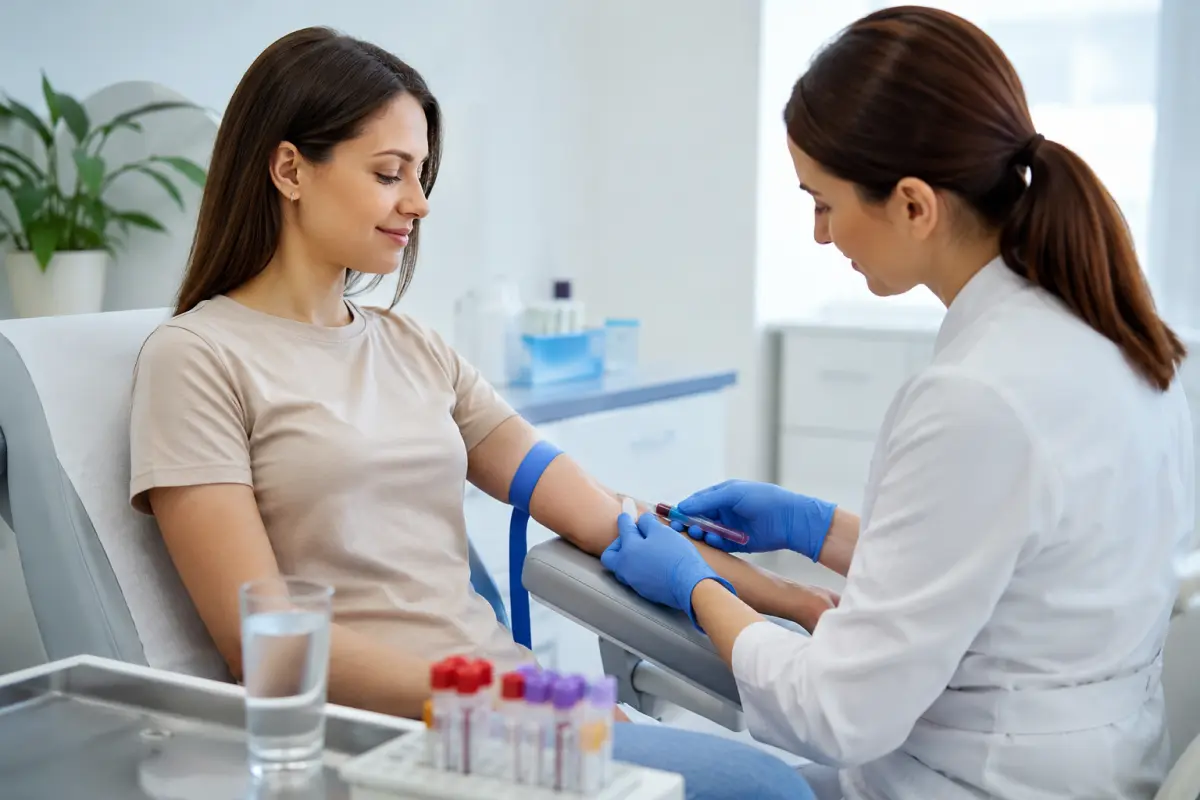
Laboratory tests — are one of the most important stages of modern diagnostics. Tests help doctors assess the condition of the body, detect inflammatory processes, infections, hormonal disorders, deficiencies, and many other changes even before noticeable symptoms appear.
Proper preparation for laboratory tests directly affects the accuracy of the results. Even coffee before a blood test, physical activity, or lack of sleep can change certain indicators.
In this article, we will explain how to prepare for laboratory tests correctly, what can affect the results, and which recommendations should be taken into account before an examination.
Why Laboratory Tests Are Needed
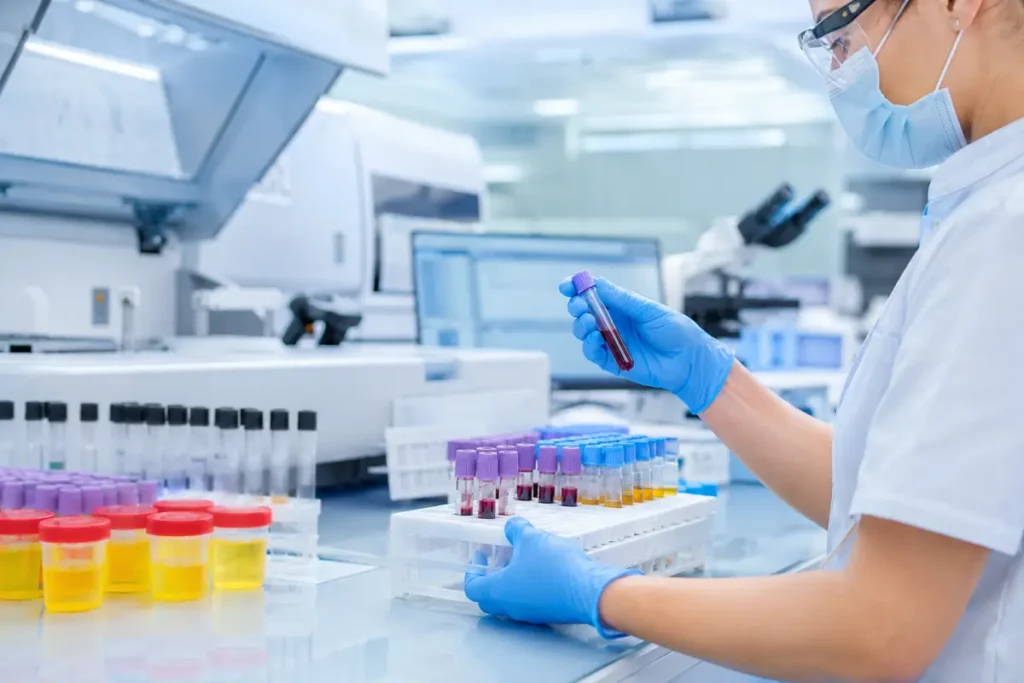
Laboratory diagnostics are used in almost every area of medicine. Tests make it possible to:
- detect diseases at early stages;
- assess the function of internal organs;
- monitor the course of treatment;
- identify inflammatory processes;
- diagnose hormonal disorders;
- evaluate the levels of vitamins, trace elements, and other indicators.
Many conditions may not cause symptoms for a long time. That is why preventive laboratory tests are an important part of regular health monitoring.
Types of Laboratory Tests
Complete Blood Count
One of the most common tests, which helps assess the overall condition of the body and detect inflammation, anemia, or infectious processes.
Biochemical Blood Test
Used to assess the function of the liver, kidneys, pancreas, cardiovascular system, and metabolism.
Hormonal Tests
Help check the function of the thyroid gland, reproductive system, adrenal glands, and other organs of the endocrine system.
Urine Tests
Help assess the condition of the kidneys, urinary system, and metabolic processes.
Immunological and Infectious Disease Tests
Used to detect viruses, bacteria, antibodies, and specific features of the body’s immune response.
How to Prepare for Laboratory Tests Correctly
Proper preparation — is one of the main conditions for obtaining an accurate result.
Should Tests Be Taken on an Empty Stomach?
Most blood tests are recommended to be taken on an empty stomach. Usually, 8–12 hours should pass between the last meal and blood sampling.
Before tests, it is allowed to drink plain still water.
What Should Not Be Done Before Tests
- drink alcohol 24–48 hours before the test;
- do intense workouts;
- smoke immediately before giving blood;
- drink coffee or sweet beverages;
- undergo strong physical or emotional stress.
Do Medications Affect the Results?
Yes. Some medications can change test indicators. If you take medication regularly, be sure to inform your doctor.
You should not stop treatment on your own before taking tests.
What Can Affect Laboratory Test Results
Laboratory test results may be affected by:
- diet;
- stress;
- physical activity;
- lack of sleep;
- the menstrual cycle;
- hormonal medications;
- infectious diseases.
That is why a doctor evaluates the results comprehensively, taking into account symptoms, medical history, and other examinations.
When Is the Best Time to Take Laboratory Tests?
Most tests are recommended to be taken in the morning. This is especially important for hormonal tests and blood biochemistry.
Some tests in women may depend on the day of the menstrual cycle. For example, certain hormonal tests are performed only on specific days of the cycle.
Why You Should Not Interpret Test Results on Your Own
Even if indicators fall outside the normal range, this does not always mean that a disease is present.
And vice versa — normal results do not always completely rule out a problem.
Tests should be evaluated by a doctor who takes into account:
- the patient’s symptoms;
- other examinations;
- chronic diseases;
- age;
- medication use.
The Most Common Mistakes Before Taking Tests
- coffee or tea before a blood test;
- exercising before the examination;
- ordering tests independently without consulting a doctor;
- ignoring preparation recommendations;
- taking tests during an acute illness without informing the doctor.
How to Get the Most Accurate Result
For accurate laboratory testing, the following are important:
- proper preparation;
- following the doctor’s recommendations;
- modern laboratory equipment;
- high-quality reagents and testing control.
A comprehensive approach makes it possible to obtain the most reliable results for further diagnosis and treatment.
Conclusion
Laboratory tests — are an important part of modern diagnostics and disease prevention. They help detect changes in the body in time and monitor health status.
To ensure accurate results, it is important to prepare properly for the tests and follow the doctor’s recommendations.
Regular laboratory examinations make it possible to detect many diseases at an early stage, when treatment is most effective.










Мені все сподобалось
Всі профі
Дякую


Велика подяка лікарю Дуброву Є.О. — надзвичайно компетентний і чуйний фахівець, який детально все пояснив, розвіяв тривогу та підтримав морально. Щиро дякую анестезіологу Бєлаш О.М. за високий професіоналізм, чуйність і справжнє людське ставлення — занурення в сон та сам перебіг процедури минули максимально комфортно. Також величезне спасибі медсестрі (на жаль, не дізналася ім'я) за її турботу, доброту та увагу.
Весь персонал вразив своєю чуйністю та теплом. Дякую за ваш труд і турботу про пацієнтів! Однозначно рекомендую.














Дуже ввічливий та приємний персонал клініки. Лікар був уважний, без поспіху пройшовся по всім аспектам здоровʼя. Лабораторія швидко зробила аналізи. В цілому дуже задоволена. Радже звертатися!




Саме до таких фахівців, в разі необхідності, є бажання повернутися!

і закінчуючи отриманим описом і рекомендаціями від лікарів.
























Need specialist help?
Order a callback and our consultant will help you choose a doctor and make an appointment at a convenient time for you!